Ar Noy Chup Thaka (No More Silence)
BotTala Production-7 | First show: 21 April 2015 | Improvisation play
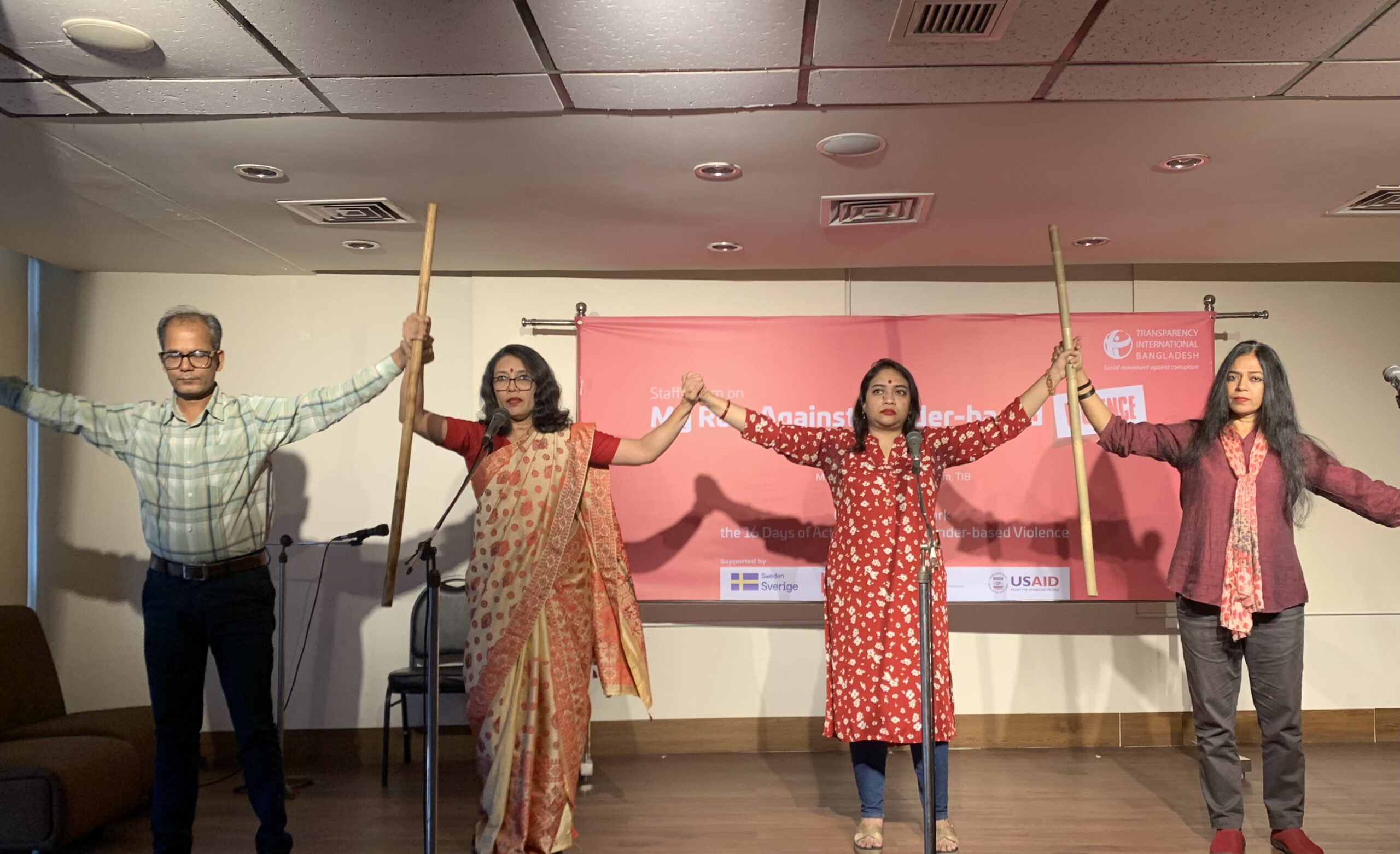
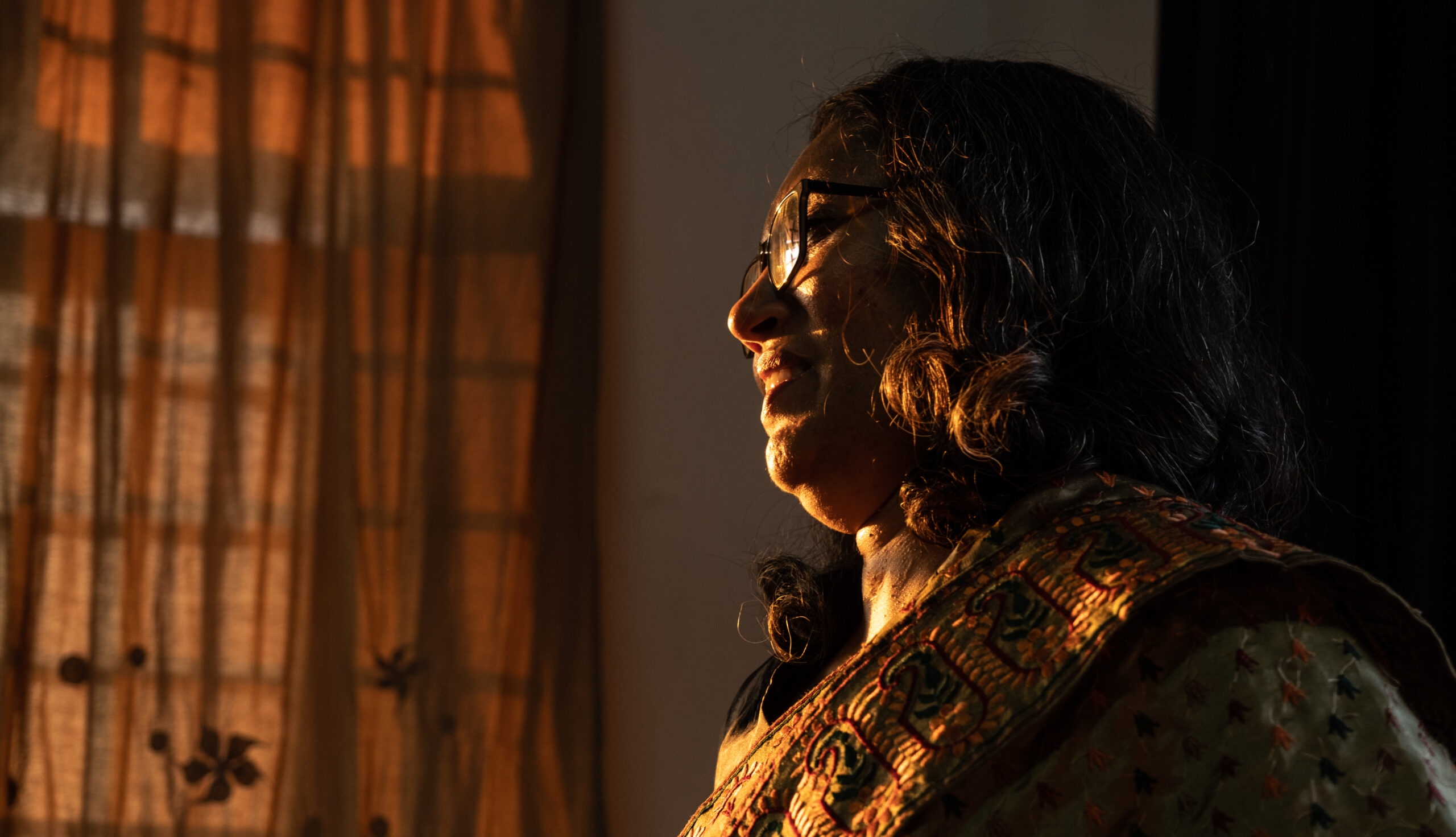
‘আর নয় চুপ থাকা’ নারী ও শিশুর ওপর ঘটে চলা যৌন নিপীড়ন ও সহিংসতার বিরুদ্ধে একটি বলিষ্ঠ প্রতিবাদী নাটক। ২০১৫ সালে পহেলা বৈশাখের আয়োজনে একজন নারীর ওপর যৌন নিপীড়নের প্রতিবাদে এ নাটকটি পথে নিয়ে আসে বটতলা। এ নাটকে তিনজন নারী অভিনয়শিল্পী ব্যক্তিগত ও সামষ্টিক অভিজ্ঞতার বয়ানের মাধ্যমে সমাজে গেড়ে বসা পুরুষতান্ত্রিক বিকৃত মানসিকতাকে এখানে কাঠগড়ায় দাঁড় করায়।
নাটকটিতে ছোটবেলায় নিকটাত্মীয়ের দ্বারা যৌন হেনস্তা, ভিড়ের মধ্যে অপরিচিত পুরুষ কর্তৃক শ্লীলতাহানি এবং কর্মক্ষেত্রে বা রাস্তায় নিয়মিত কটুক্তির শিকার হওয়ার মতো যন্ত্রণাদায়ক সব অভিজ্ঞতা তুলে ধরা হয়েছে । নারীর শরীরকে কেবলমাত্র ‘ভোগের বস্তু’ বা ‘মাংসপিণ্ড’ হিসেবে দেখার পুরুষালি দৃষ্টিভঙ্গিকে সরাসরি চ্যালেঞ্জ করার এক মাধ্যম এ নাটক।
এ নাটকে বাংলাদেশের প্রচলিত আইন অনুযায়ী যৌন নিপীড়নের সংজ্ঞা ও শাস্তির বিষয়টিও স্পষ্টভাবে তুলে ধরা হয়েছে। নাটকের শেষে দর্শকদের আহ্বান জানানো হয়েছে যেন তারা এই মুহূর্ত থেকে কেবল ‘প্রতিবাদ’ নয়, বরং যেকোনো যৌন সহিংসতার বিরুদ্ধে সরাসরি ‘প্রতিরোধ’ গড়ে তোলেন।
Ar Noy Chup Thaka is a bold, protest-oriented play directed against the ongoing sexual harassment and violence inflicted upon women and children. Bottala brought this play to the streets in response to the sexual assault of a woman during the Pohela Boishakh celebrations in 2015. Through the narration of both personal and collective experiences, three female performers hold the deeply rooted, distorted patriarchal mindset of society accountable.
The play highlights agonizing experiences such as sexual harassment by close relatives during childhood, molestation by strangers in crowds, and the regular verbal abuse faced at workplaces or on the streets. This production serves as a medium to directly challenge the masculine perspective that views a woman’s body merely as an ‘object of consumption’ or a ‘piece of meat’.
Furthermore, the play clearly outlines the definition of sexual harassment and its legal penalties according to the existing laws of Bangladesh. At the conclusion of the performance, the audience is called upon to move beyond mere ‘protest’ and, from this moment forward, build a direct ‘resistance’ against any form of sexual violence.