Khona
Plawright: Samina Luthfa Nitra | Director: Mohammad Ali Haider | Producer: Bottala
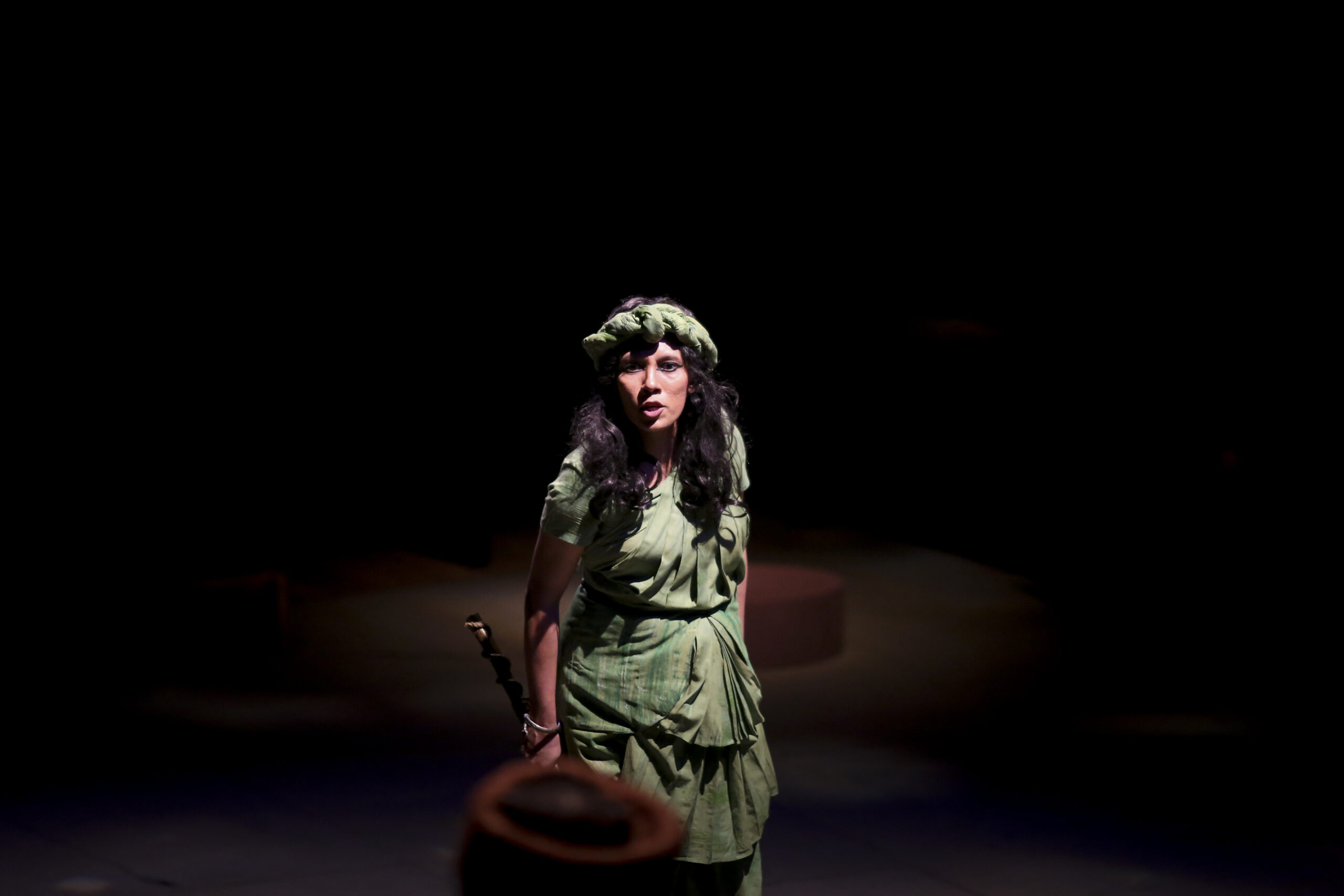
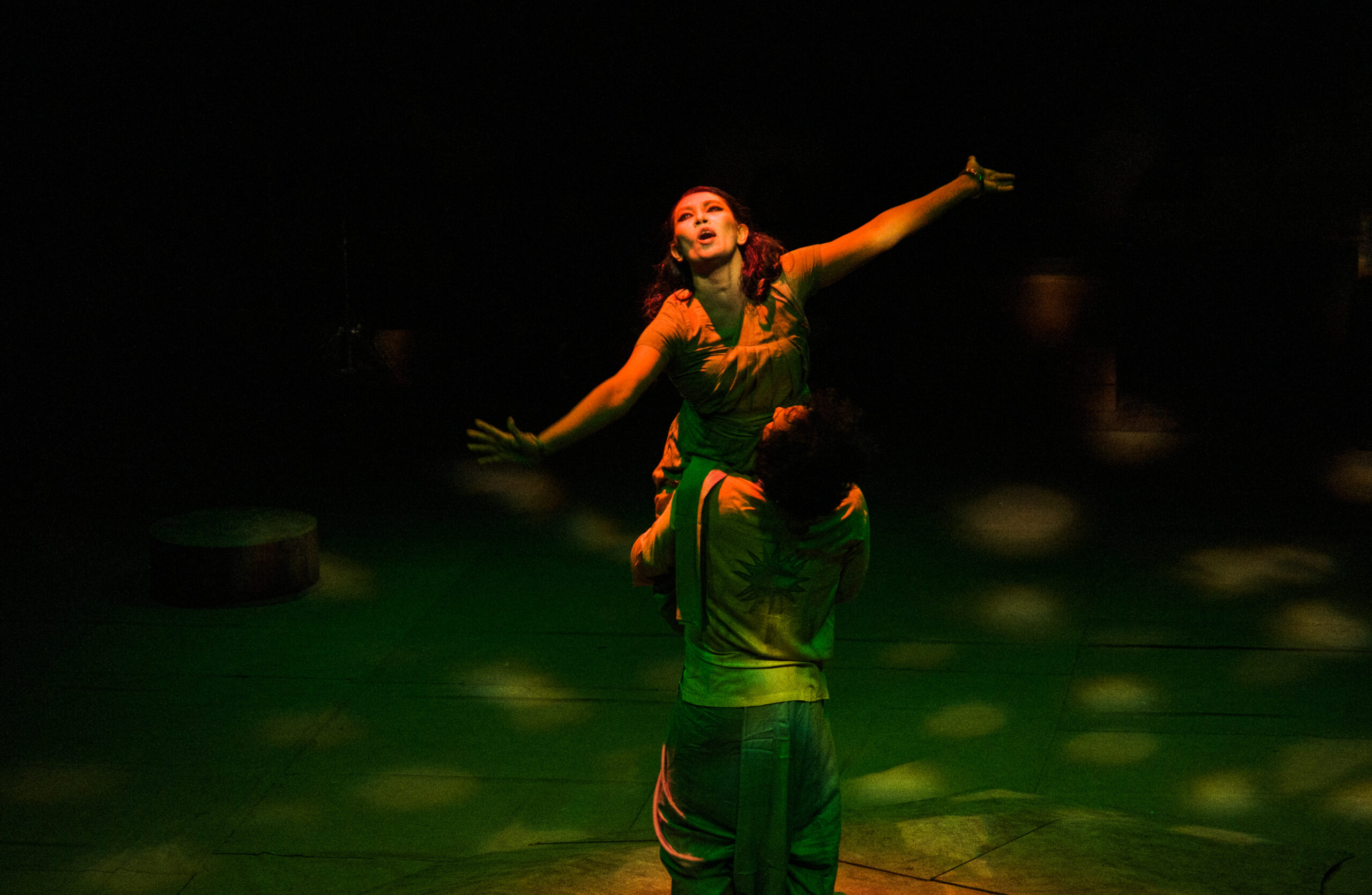
এক বিদুষী ‘খনা’, যার অন্য নাম লীলাবতী। তার গল্পটা অনেক পুরোনো, কিংবদন্তির ঘেরাটোপে বন্দী। তবু যেটুকুর তল খুঁজে পাওয়া যায় তাতে বোধ হয় যে তিনি এক বিদুষী জ্যোতিষী; স্বামী মিহিরও একই বৃত্তিধারী।
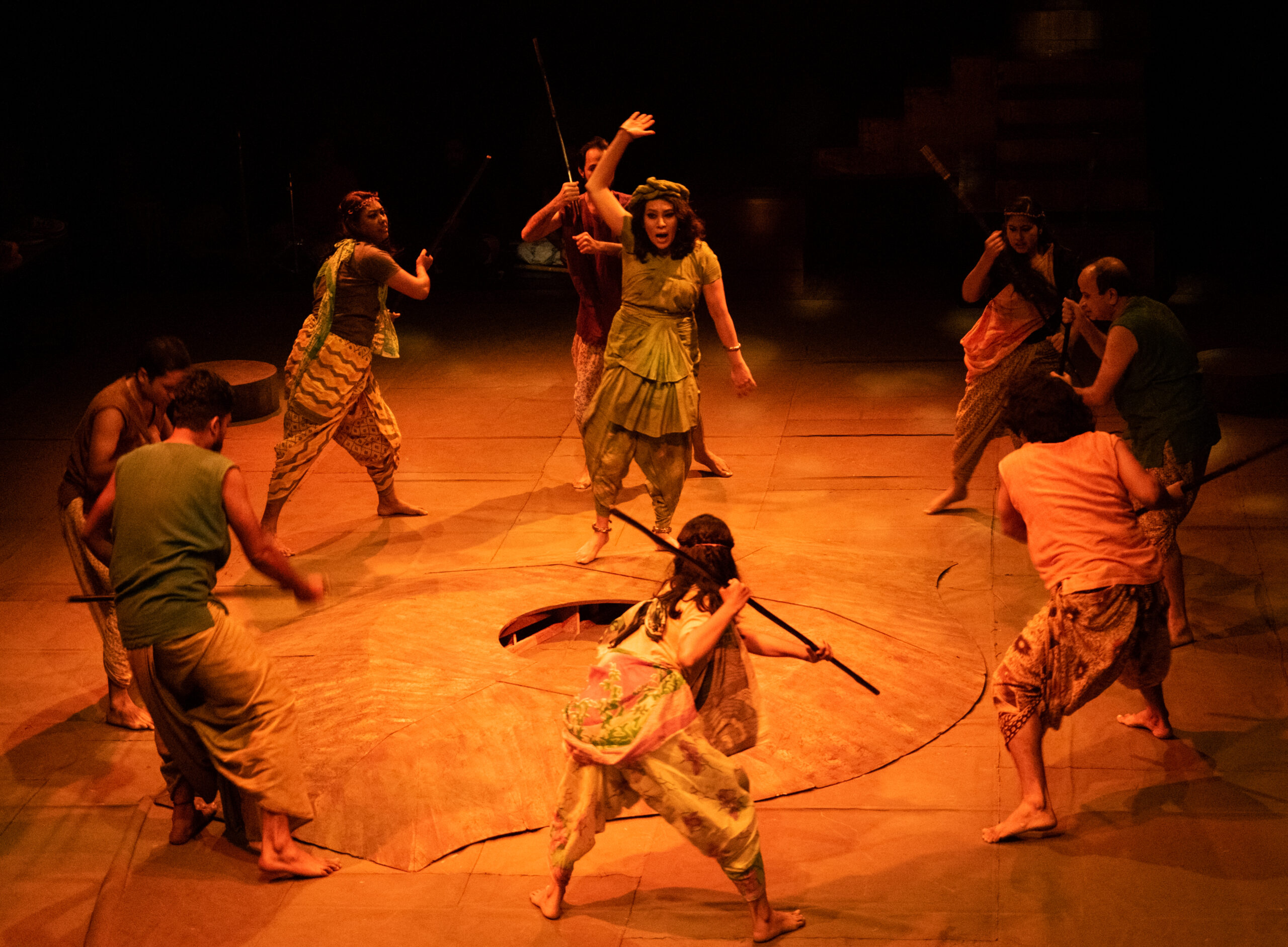
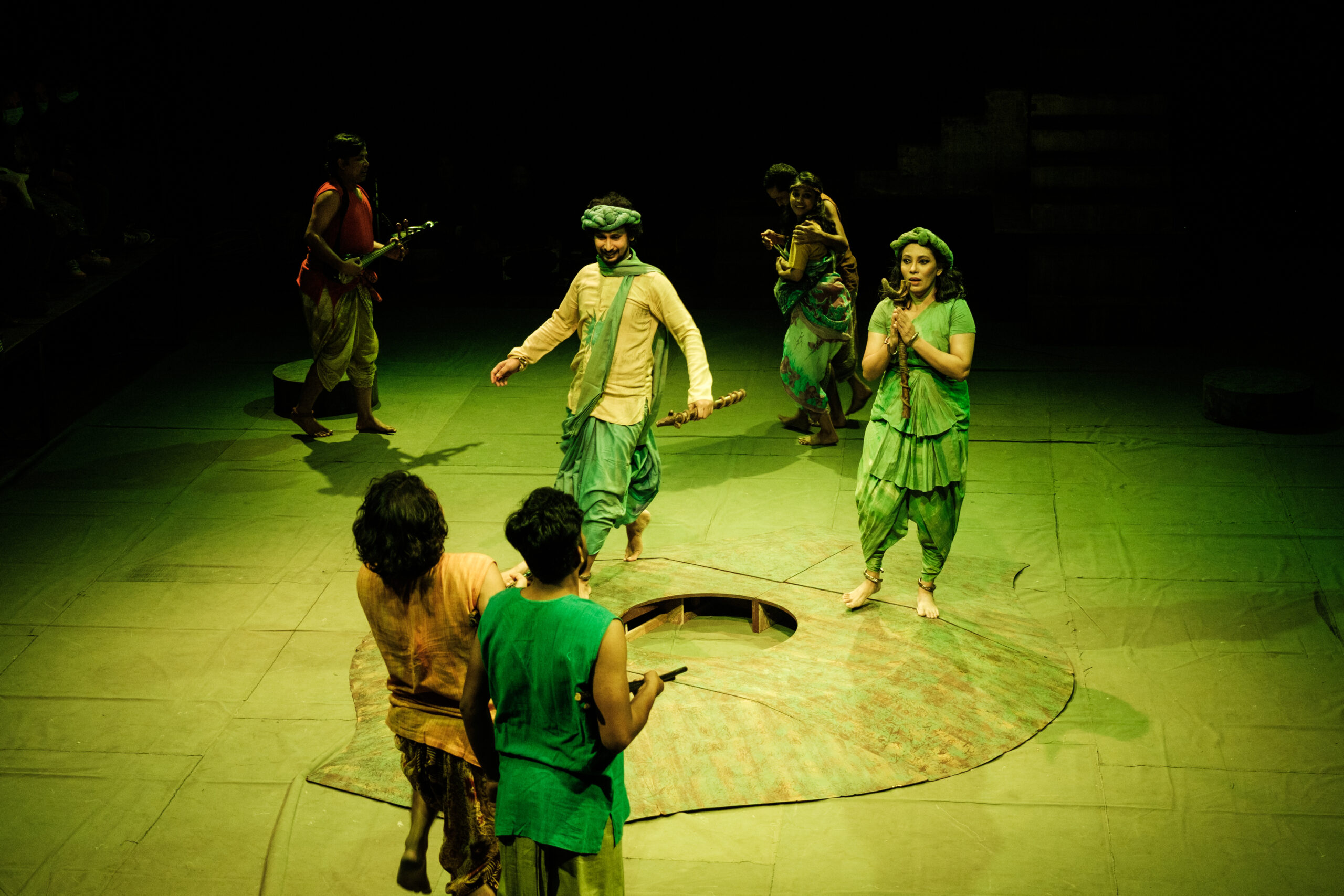
শ্বশুর যশস্বী জ্যোতিষী বরাহমিহির। পুত্রবধূর যশ, খ্যাতি ও বিদ্যার প্রভাব দর্শনে বরাহের হীনম্মন্যতা ও ঈর্ষা। শ্বশুরের নির্দেশে লীলাবতীর জিহ্বা কর্তন ও তার ‘খনা’ হয়ে ওঠার গল্প পেরিয়েছে প্রজন্মের সীমানা। খনার বচনের মাঝে টিকে থাকা শত বছর আগের জল, মাটি, ফসল আর মানুষের গন্ধমাখা জ্ঞান আর সত্যটুকু কি সত্যি লীলাবতীর? নাকি এ সত্য-তথ্য সবই এ ভূখণ্ডের বৃষ্টি, পলি আর জল-হাওয়ার সাথে মিশে থাকা যুগান্তরের সামষ্টিক জ্ঞানের সংকলন? লীলাবতী শুধুই কি একজন নারী বলে তার পরিণতি নির্মম, নাকি তিনি নারী হয়ে মিশেছিলেন চাষাভুষোর সনে—সেই তার কাল? পুরুষতন্ত্র না শ্রেণি কাঠামো, নাকি উভয়ই দাঁড়ায় লীলাবতীর বিপ্রতীপে?
মিহির বা প্রাকৃত লোকালয়—কারোর পরোয়া না করা জীবনত্যাগী নেশার ঘোর তাকে নিয়ে যায় দিগন্তের ওপার। খনার সত্য শুধু থেকে যায় কৃষকের মুখে। তবু প্রশ্ন থাকে, খনার সত্যই কি একক সত্য? নাকি আজকে নির্ভুল যা, কাল তা হতে পারে অসত্য? শুধু সত্যের পক্ষে দাঁড়ানোর যে মৃত্যুনেশা তাঁর, সে নেশা কি একরোখা জেদ? খনা নিজেই নিজেকে করেন সম্মুখীন প্রশ্নের।
A woman of profound wisdom, Khona was also known as Leelavati. Her story is ancient, shrouded in the veils of legend. Yet, from what can be gathered, she was a brilliant astrologer, as was her husband, Mihir. Her father-in-law was the renowned astrologer Varaha Mihir. Upon witnessing the growing fame and intellectual prowess of his daughter-in-law, Varaha Mihir was consumed by insecurity and envy. The story of Leelavati’s tongue being severed by her father-in-law’s order, and her subsequent transformation into ‘Khona’, has crossed the boundaries of generations.
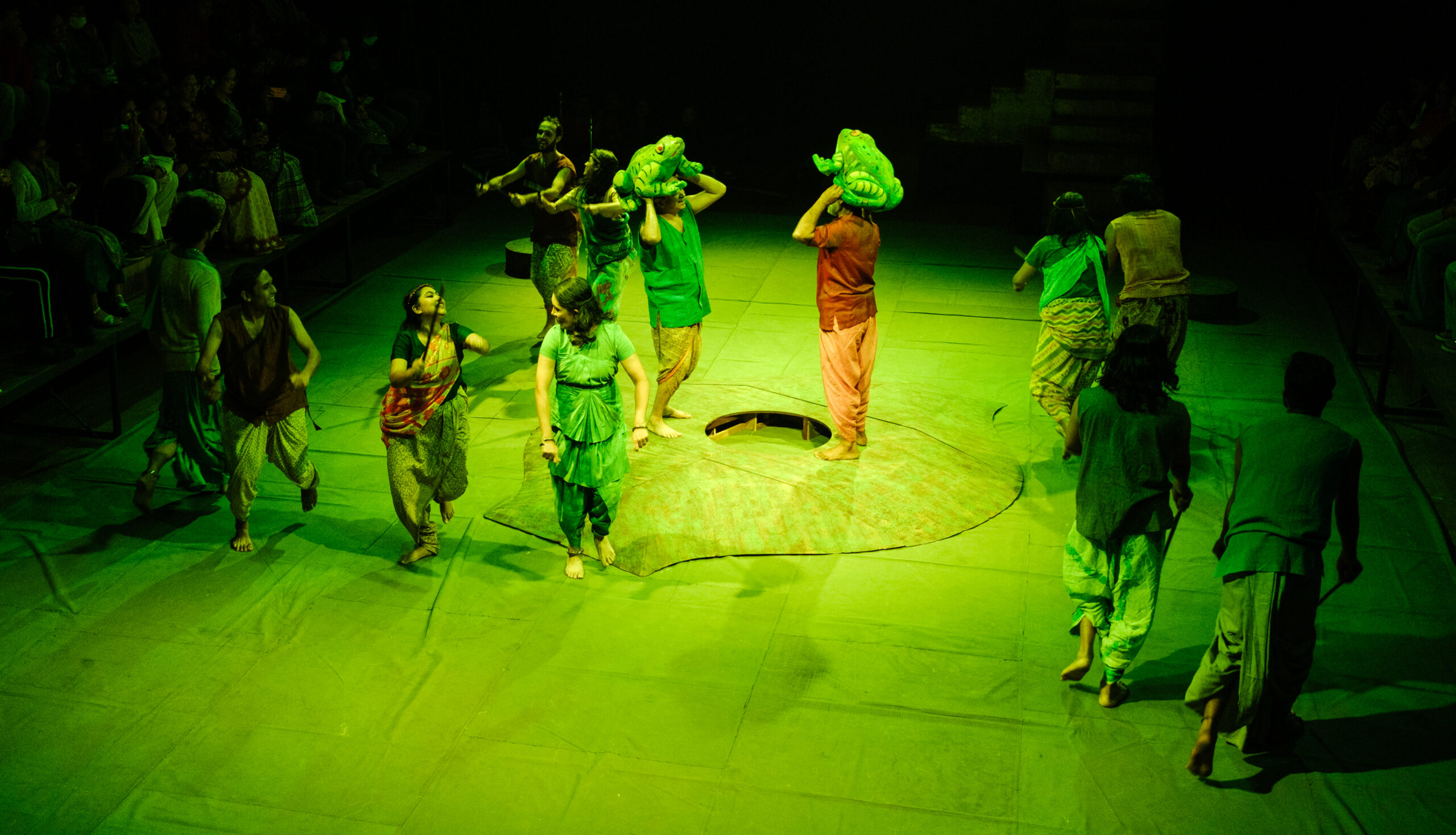
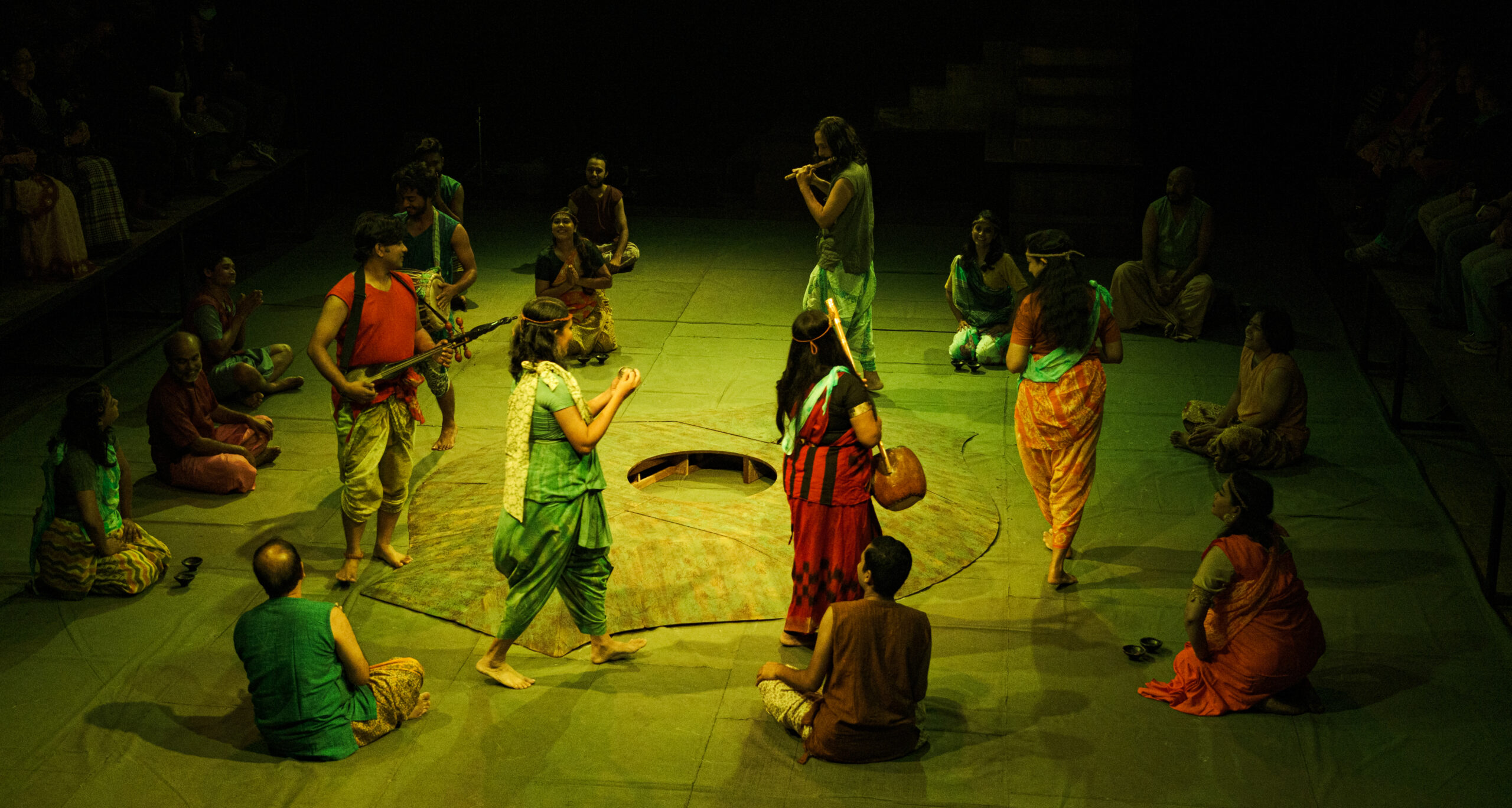
The century-old wisdom preserved in Khona’s Bachan (Khana’s Maxims) carries the scent of water, soil, crops, and the common people. But is this truth truly Leelavati’s alone? Or are these facts a collective compilation of ancient knowledge, woven into the rain, silt, and climate of this land over ages? Was Leelavati’s fate so brutal simply because she was a woman, or was it because she, as a woman, chose to align herself with the common farmers? Or was it patriarchy, the class structure, or both that stood in opposition to her?
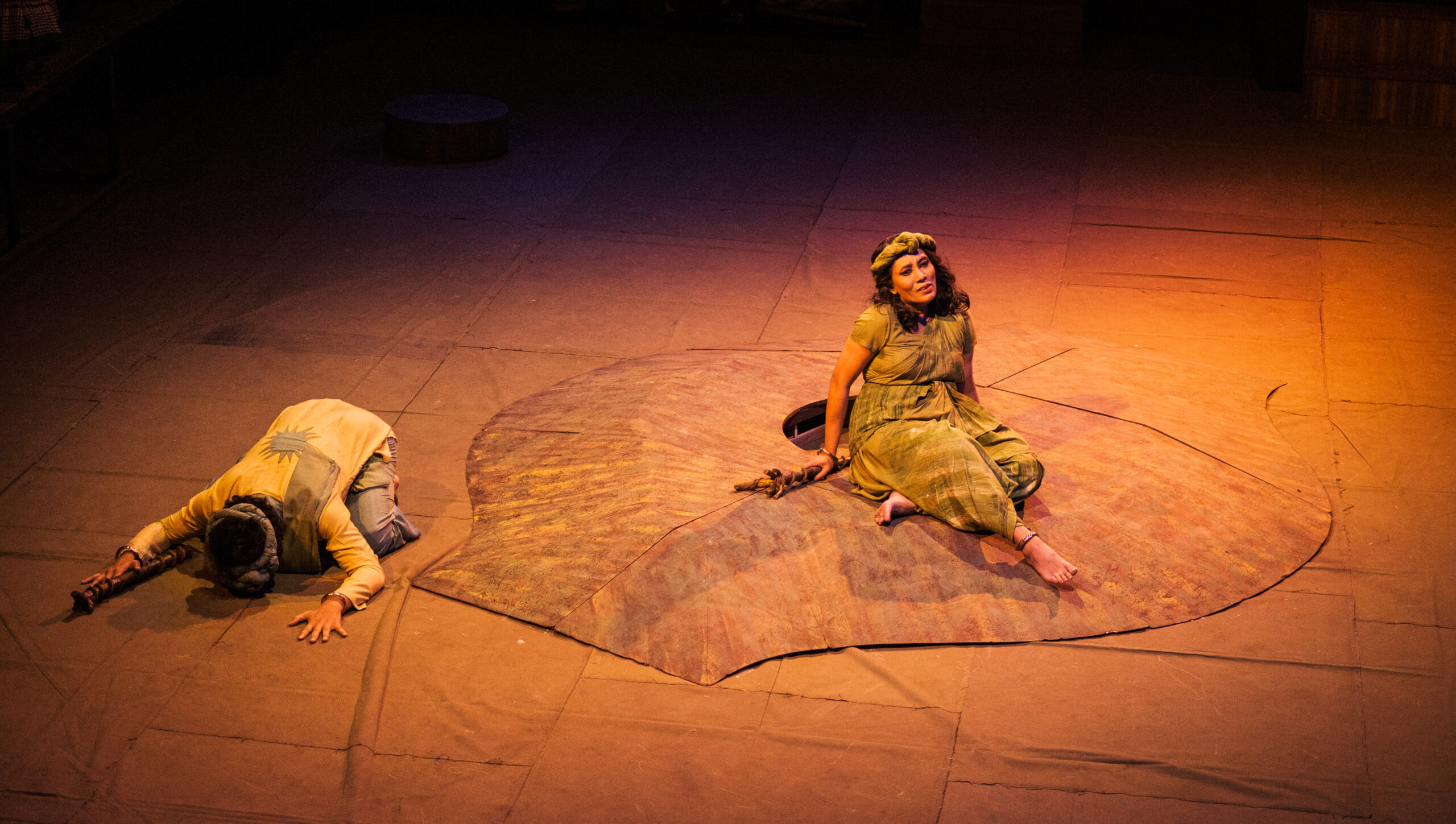
Driven by a life-defying passion that cared for neither her husband Mihir nor the constraints of society, she was carried beyond the horizon. Khona’s truth survived, passed down verbatim by the farmers through the ages.
Yet, questions remain: Is Khona’s truth the ultimate, singular truth? Can what is considered flawless today become a falsehood tomorrow? Was her fatal obsession with standing by the truth merely a stubborn resolve? In the end, Khona herself confronts these very questions.