Jojongondha Maya
Playwright: Badruzzaman Alamgir | Director: Imran Khan Munna | Producer: Bottala
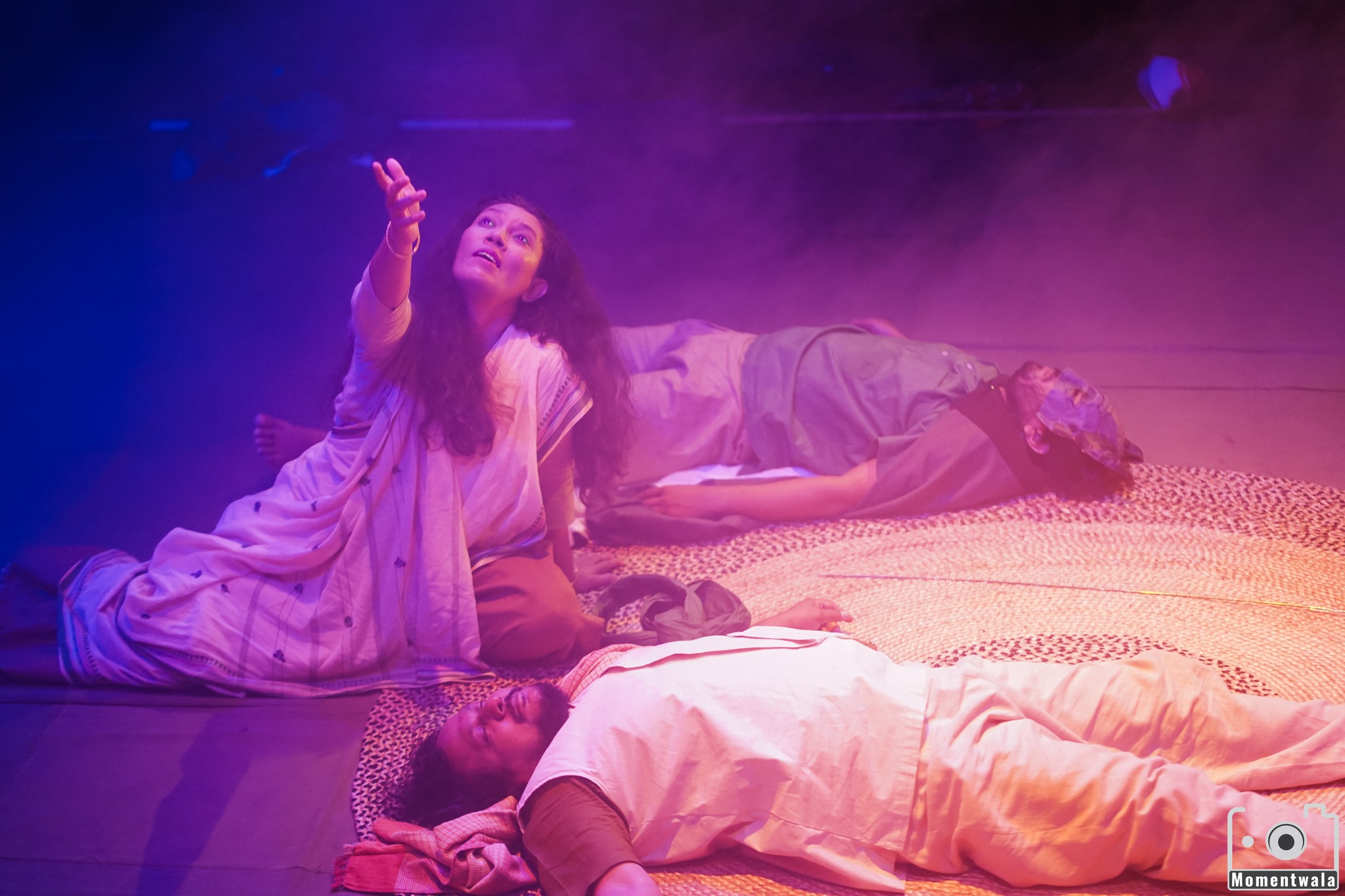
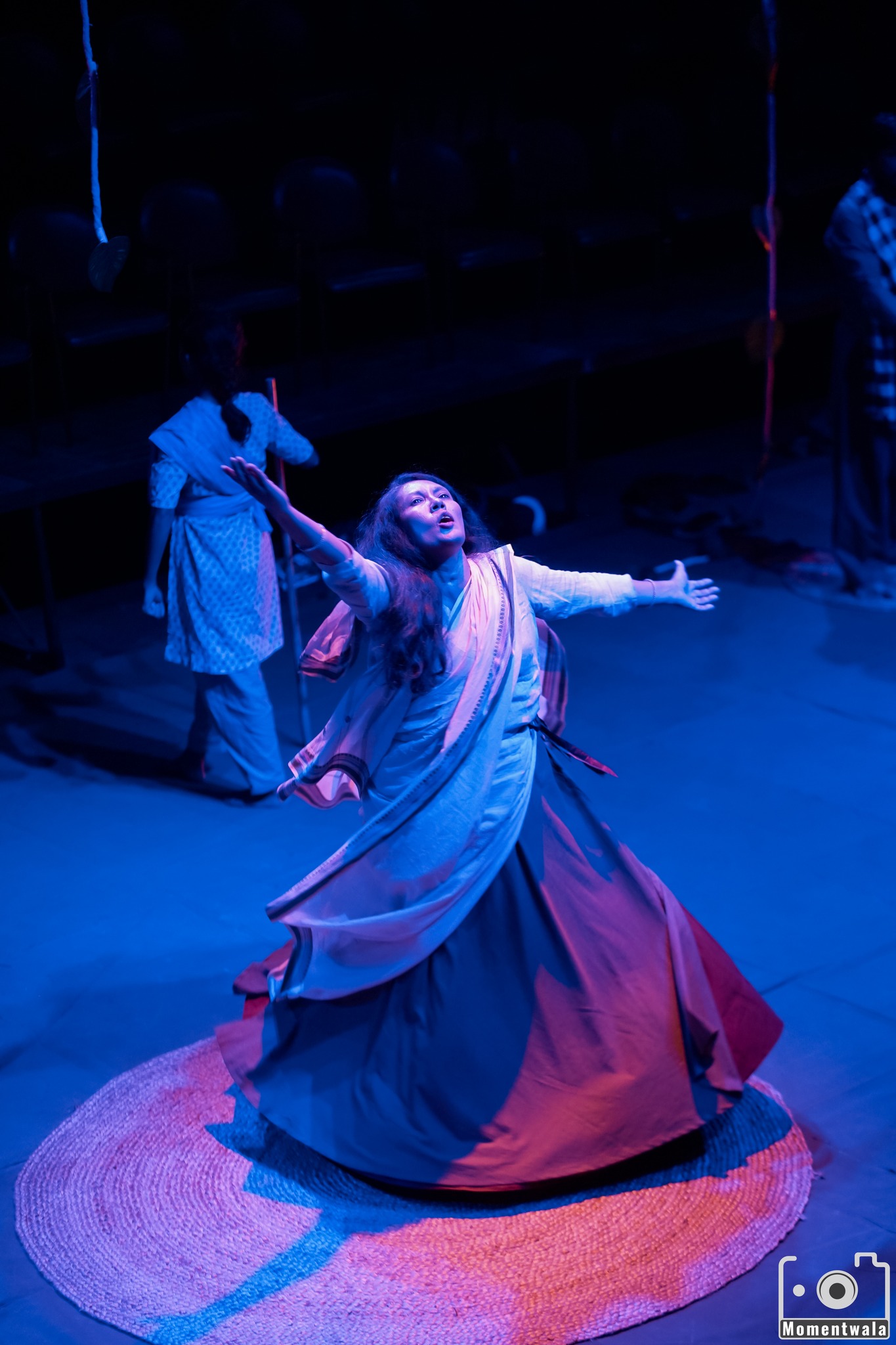
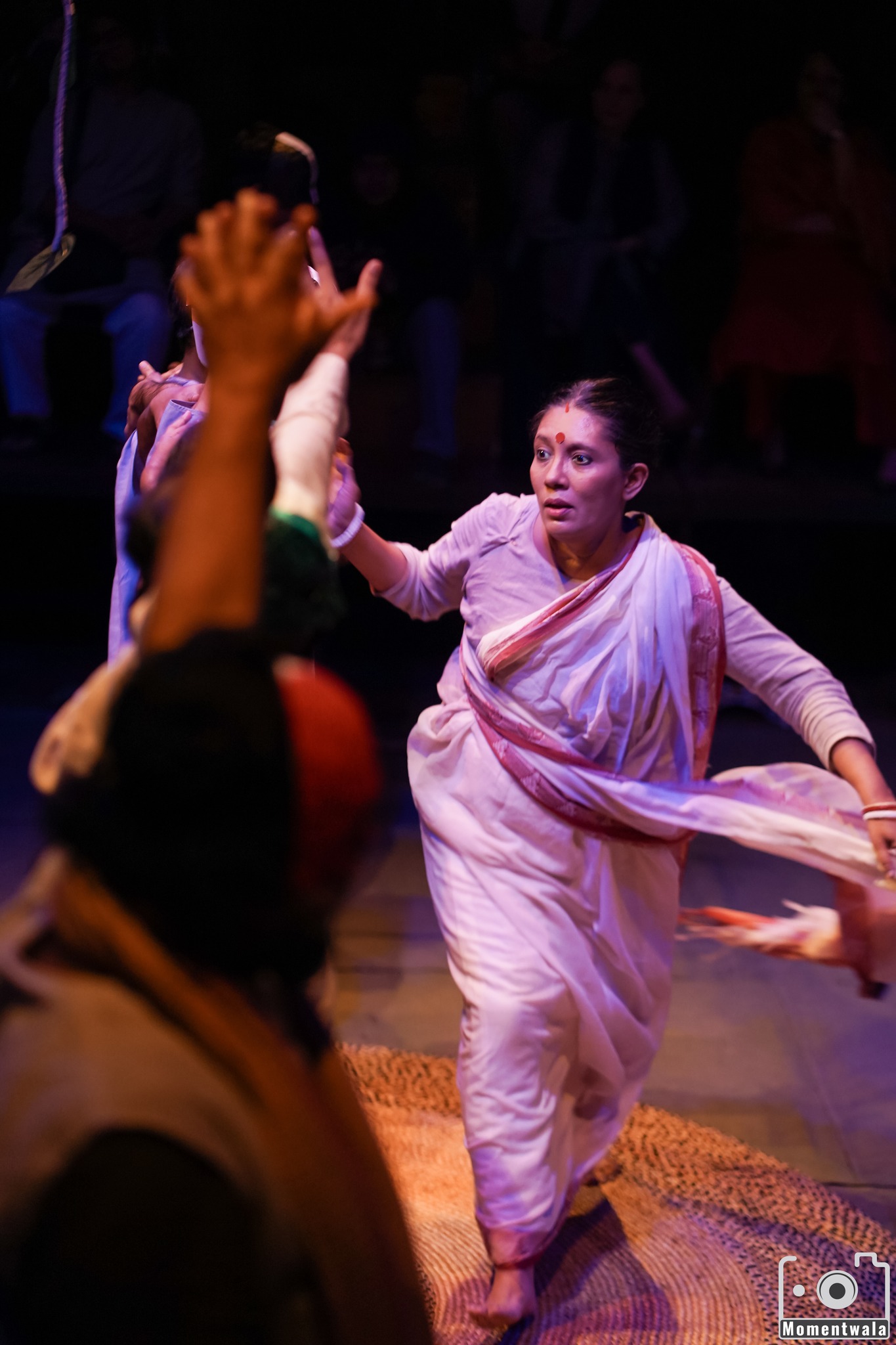
যোজনগন্ধা মায়ার পটভূমি বাংলাদেশের আর পাঁচটা সাধারণ গ্রামের মতোই একটা গ্রাম, লতিপুতি গ্রাম। গ্রামের মানুষের জীবনের একটা বড় জায়গাজুড়ে আছে কুমিরপীরের মাজার। এ নাটকে কুমিরপীরের আধ্যাত্মিকতা জাগতিক, তিনি কৃষকের ভাতের অধিকারের কথা বলেন, তাদেরকে নিজের অধিকার বুঝে নিতে শেখান। মানুষকে চোখের ঠুলি খুলে দেখতে শেখানোর অপরাধে পীরেরও জান যায়; তবে মৃত্যুতেই যেন তিনি আরও বেশি করে মানুষের সাহসের খুঁটি হয়ে উঠতে থাকেন। পীরের রেখে যাওয়া চাপা বিপ্লব তার শিষ্যদের মাধ্যমে ছড়িয়ে পড়ে অসংখ্য মানুষের হৃদয়ে। কুরুমণি কুমিরপীরের মাজার ঘিরে সর্বপ্রাণের জমিনের অধিকার রক্ষার আরেক লড়াই চালিয়ে যায়; গ্রামের মানুষের কাছে পীরের বাণীর বাহক হয়ে ওঠে সে। কুরুমণির মতো কত নাম না জানা বিপ্লবী মুখ প্রজন্ম থেকে প্রজন্মে মিলে যায় ইলা মিত্র কিংবা প্রীতিলতার মুখে, যারা সংগ্রাম করে এসেছে সম্মুখ-সারি থেকে।
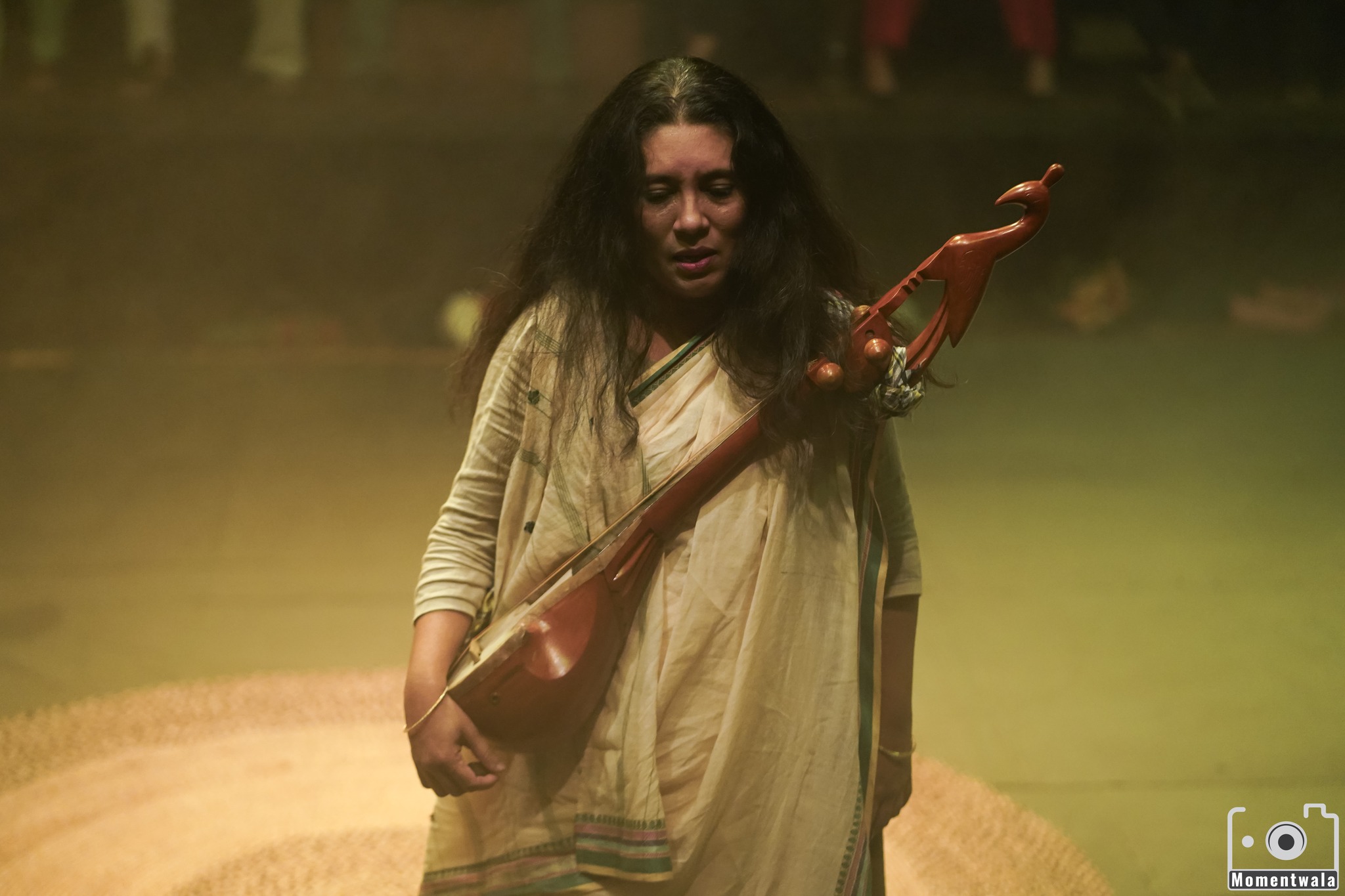
প্রজন্মের ব্যবধানে সেই কুরুমণি যখন তার সন্তান জহরকে সময়ের প্রয়োজনে যুদ্ধে সামিল হতে পাঠায় তখন থেকে আজ অবধি কুরুমণি বেঁচে আছে—ছানি পড়া মলিন মুখ, অপেক্ষার প্রহরে। বয়সের ভারে ন্যুব্জ কুরুমণি আর অপেক্ষারত জনপদ জহরের মুখ কল্পনা করে খুঁজে নেয় আলফ্রেড পাহানকে, যে হঠাৎ এক সকালে পীরের বিলের পাড়ে এসে নামে এবং সারা গাঁয়ে হুলুস্থুল ফেলে দেয়। অধিকার ও মুক্তির আকাঙ্ক্ষায় জহরের প্রতীক হয়ে গ্রামে আসে যে পাহান, তাকে আঁকড়ে ধরতে চায় সবাই; কুরুমণি, কাজলবানু বা দাইনশা মিয়া। তবে পাহান, জহর আর মহিষেরা লড়াই জয় করে কখনো ফিরতে পারে না। হারিয়ে যাওয়া সন্তানকে একবার দেখার মায়া-তৃষা কুরুমণি বয়ে নিয়ে চলে। মানুষের আয়ুর শেষ আছে কিন্তু অপেক্ষার শেষ নাই যে। জহরের জন্য যেমন তার মা কুরুমনি অপেক্ষা করে তেমনি অপেক্ষা করে এই জনপদের মানুষ, মুক্তির আশায়। অথচ সত্যিকারের মুক্তি আজও অধরা। প্রতিটি সংগ্রামের শেষে যে নতুন ¯^প্ন নিয়ে একটা জনপদের মানুষ আশাজাগানিয়া গান গায়, আদতে সেই স্বপ্ন অধরাই থেকে যায়।
নাটকটির ঘটনাপ্রবাহ মুক্তিযুদ্ধ, শূন্য দশক আর তার ১২০ বছর অতীতের মধ্যে অনায়াসে যাতায়াত করে, কথোপকথন চালায়। নাটকটি নির্দিষ্ট কোনো সময়ের নয়, আবহমানকালের গল্প। বাঘ আর মহিষের যে লড়াই অনন্তকাল ধরে চলে আসছে আর পরিবর্তনের যে আশা মানুষের মনে সহস্রকাল ধরে জাগরূক, তারই এক ট্র্যাজিক মঞ্চরূপ যোজনগন্ধা মায়া।
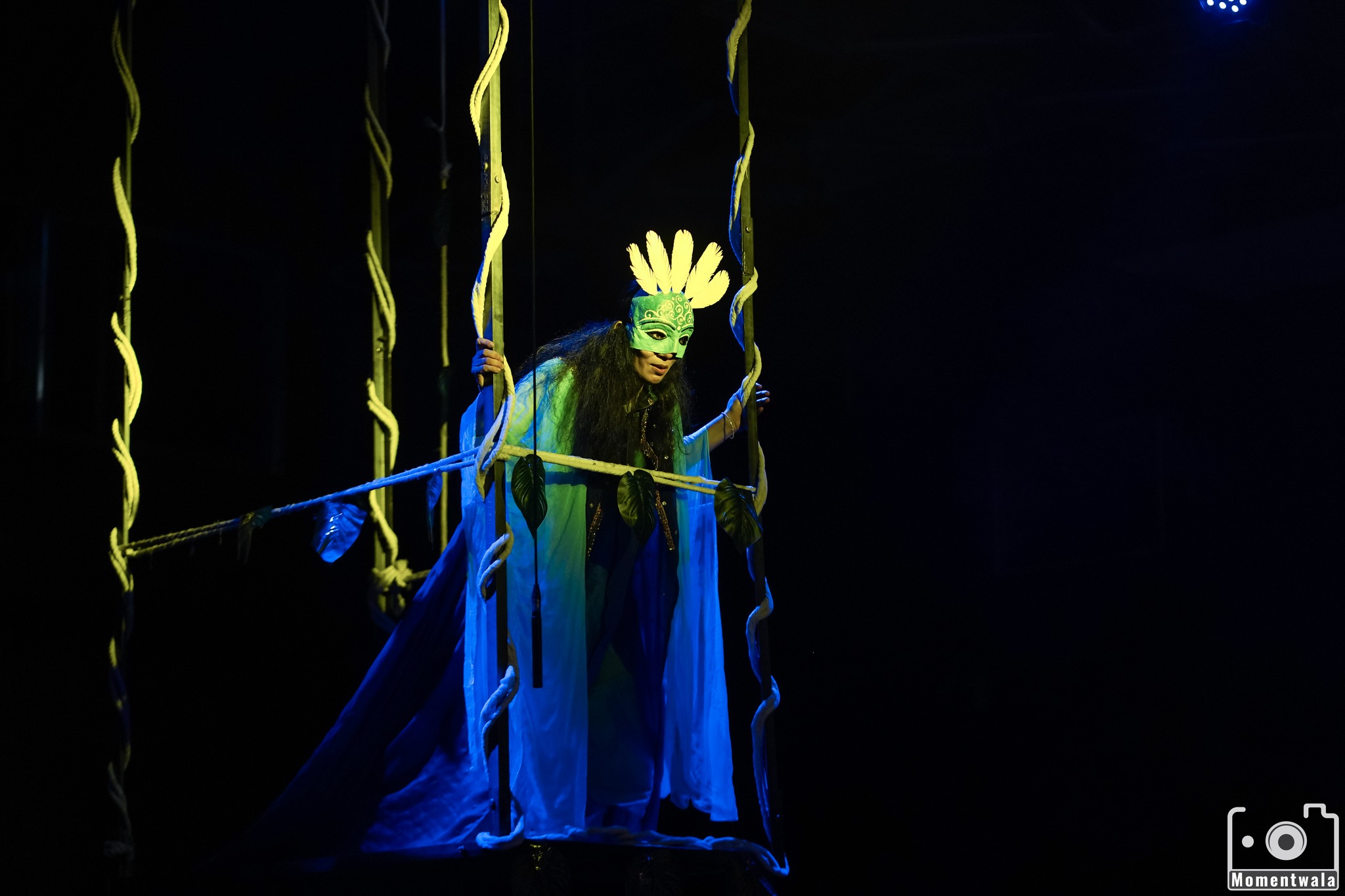
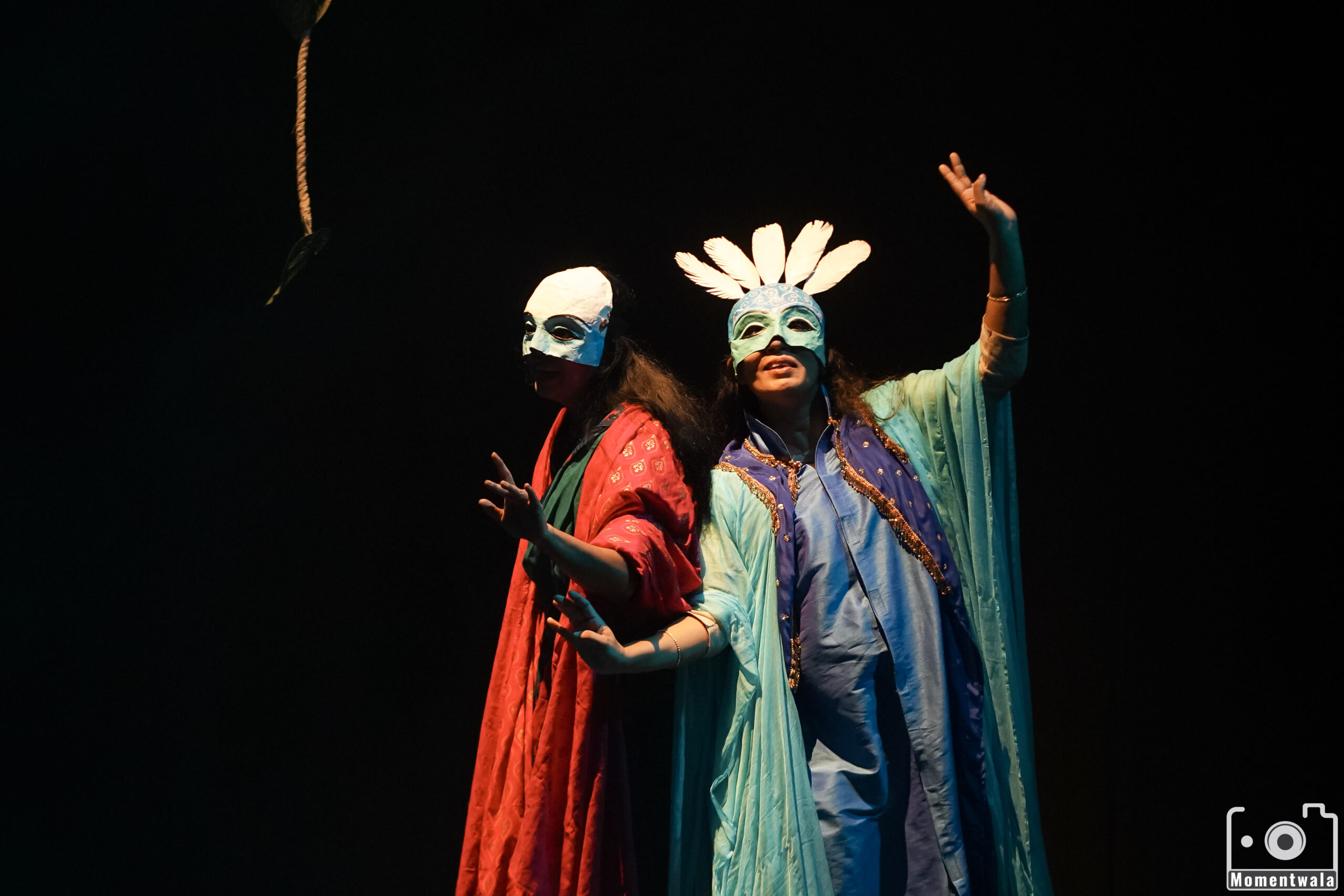
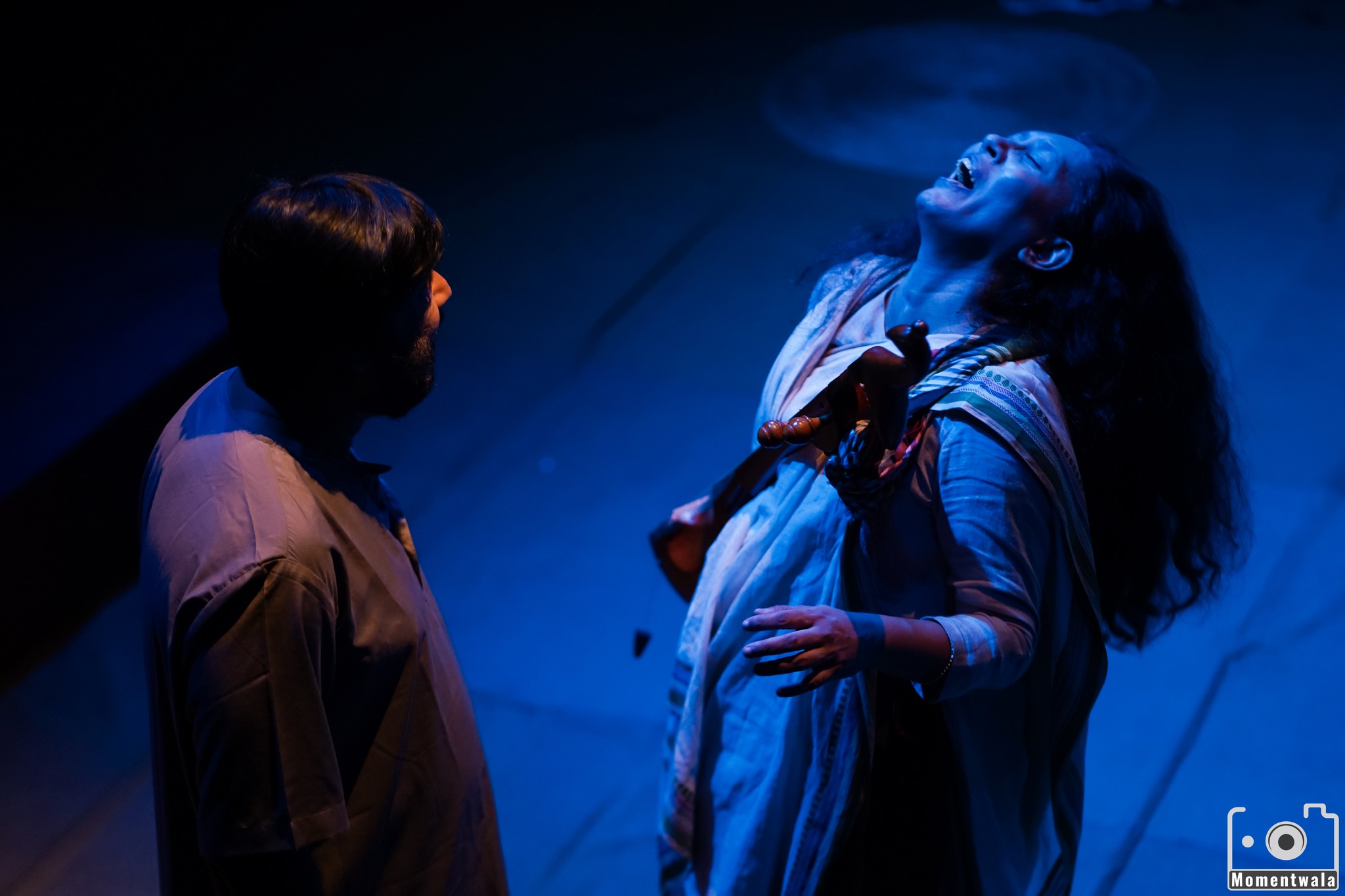
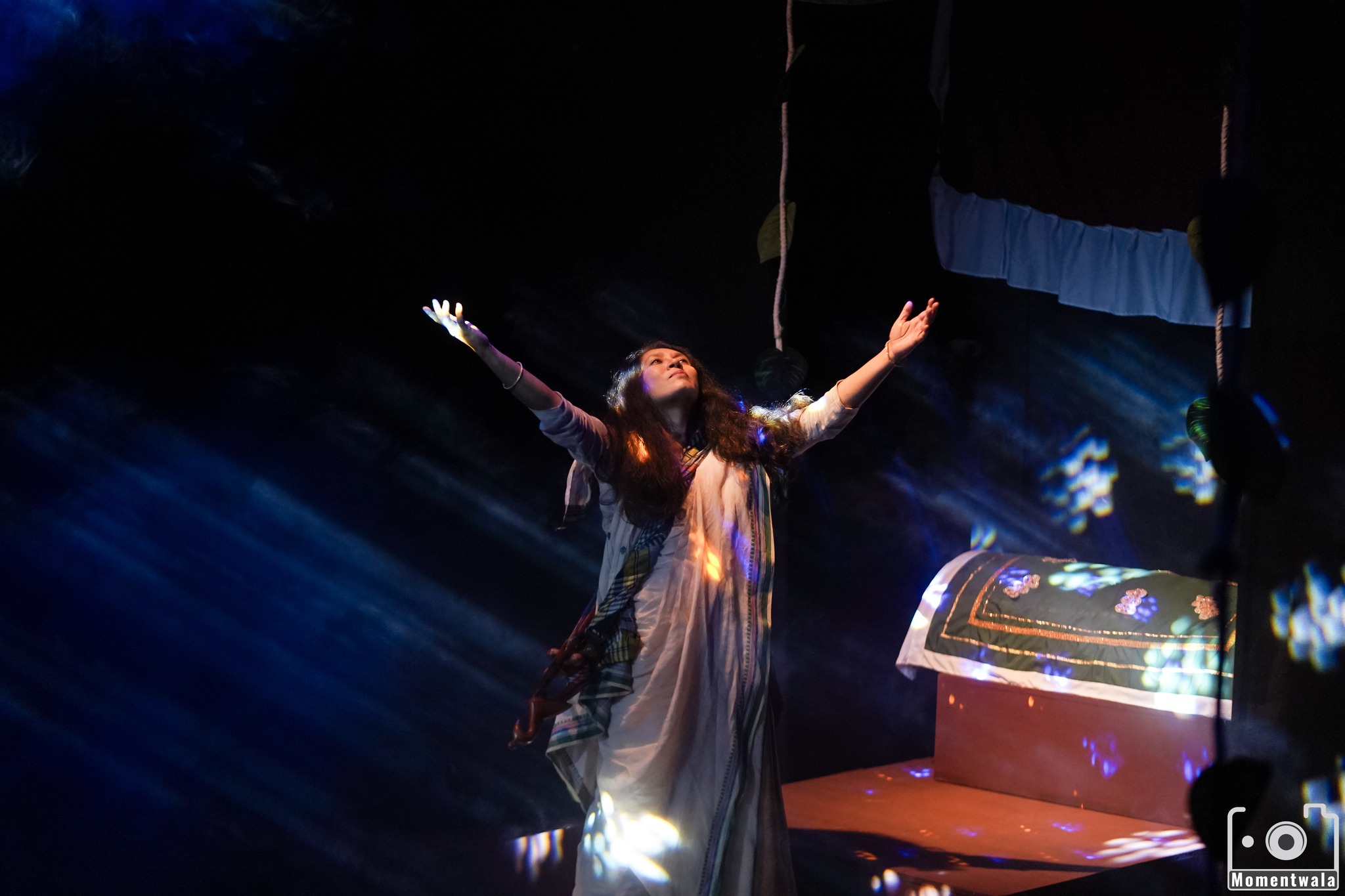
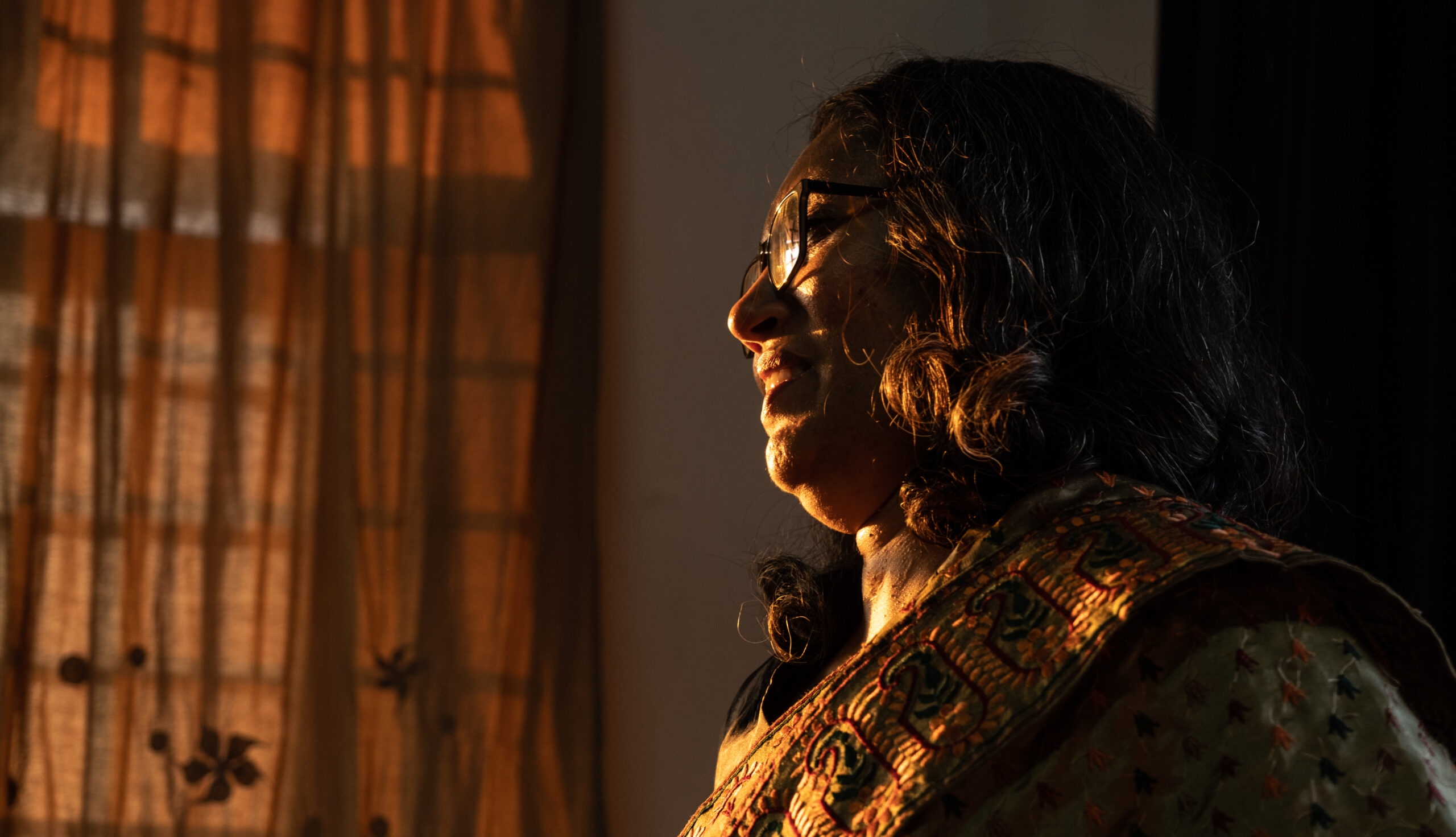
চরিত্র: কুরুমণি, জ্বিন লতিনূর, লক্ষ্মীরাণি
The narrative of Jojongondha Maya unfolds in Lotiputi, a village much like any other in rural Bangladesh. Central to the lives of the villagers is the shrine of Kumirpir (the Crocodile Saint). In this play, the Saint’s spirituality is profoundly worldly; he speaks of the farmer’s right to sustenance and empowers them to claim their due. For the ‘crime’ of awakening the collective conscience, the Saint pays with his life. Yet, in death, he becomes an even sturdier pillar of courage. The latent revolution he left behind is carried forward by his disciples, igniting the hearts of the masses. Among them is Kurumoni, who leads a struggle to protect the land rights of all living beings surrounding the shrine, becoming the vessel for the Saint’s message. Unnamed revolutionaries like Kurumoni bridge the generations, their faces merging with the historical legacies of icons like Ila Mitra and Pritilata Waddedar, who fought from the front lines.
As generations pass, Kurumoni sends her son, Johor, to join the struggle as the times demand. Since that day, Kurumoni has remained a figure of eternal waiting—her face clouded by cataracts, her spirit weary with age. In her longing, she and the expectant community project Johor’s face onto Alfred Pahan, who arrives suddenly one morning at the banks of the Saint’s marsh, stirring the entire village. To the villagers—Kurumoni, Kajolbanu, and Dainsha Mia—Pahan arrives as a symbol of Johor, a manifestation of their hunger for rights and liberation. Yet, Pahan, Johor, and the symbolic buffaloes never return as victors. Kurumoni continues to carry the ‘thirst of illusion,’ yearning for one last glimpse of her lost son. While a human life has an end, waiting is eternal. Just as Kurumoni waits for Johpr, the people of this land wait for liberation—yet true freedom remains elusive. The songs of hope that rise at the end of every struggle ultimately herald dreams that remain just out of reach.
The play’s timeline weaves effortlessly between the Liberation War, the 2000s, and a period 120 years in the past, engaging them in a continuous dialogue. This is not a story of a specific era; it is a timeless tale of the ages. Jojongondha Maya is a tragic stage portrayal of the eternal conflict between the ‘tiger and the buffalo’—the oppressor and the oppressed—and the hope for change that has burned in the human heart for millennia.
Characters played: Kurumoni, Jinn Lotinoor, Lakshmirani